
Choosing the correct Down-The-Hole (DTH) hammer is paramount for achieving efficient, cost-effective, and safe drilling operations. With a wide array of options available in the market, making an informed decision can be complex. This guide will walk you through the essential factors to consider, ensuring you select the ideal DTH hammer for your specific project needs.
A well-matched DTH hammer optimizes performance, minimizes wear on equipment, and ultimately reduces operational costs per meter drilled. Understanding the interplay between hammer design, rock conditions, and drill rig capabilities is crucial for maximizing productivity and achieving superior drilling results in various applications, from mining to water well drilling.
What are DTH Hammers?
Recommended DTH Hammers
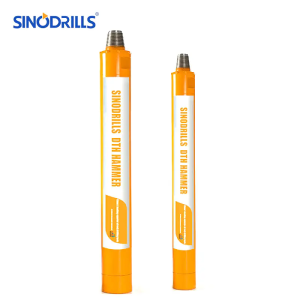
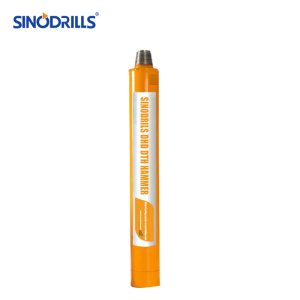
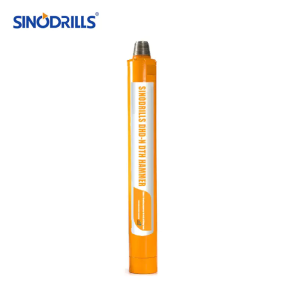
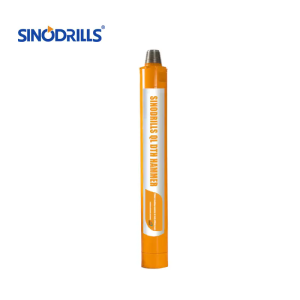
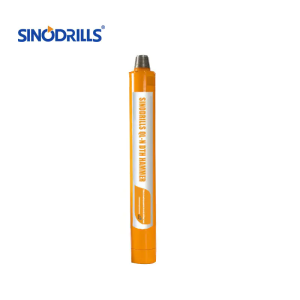
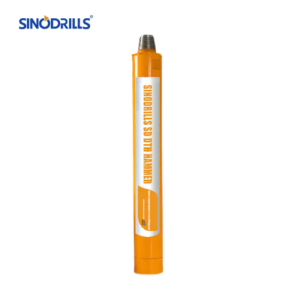
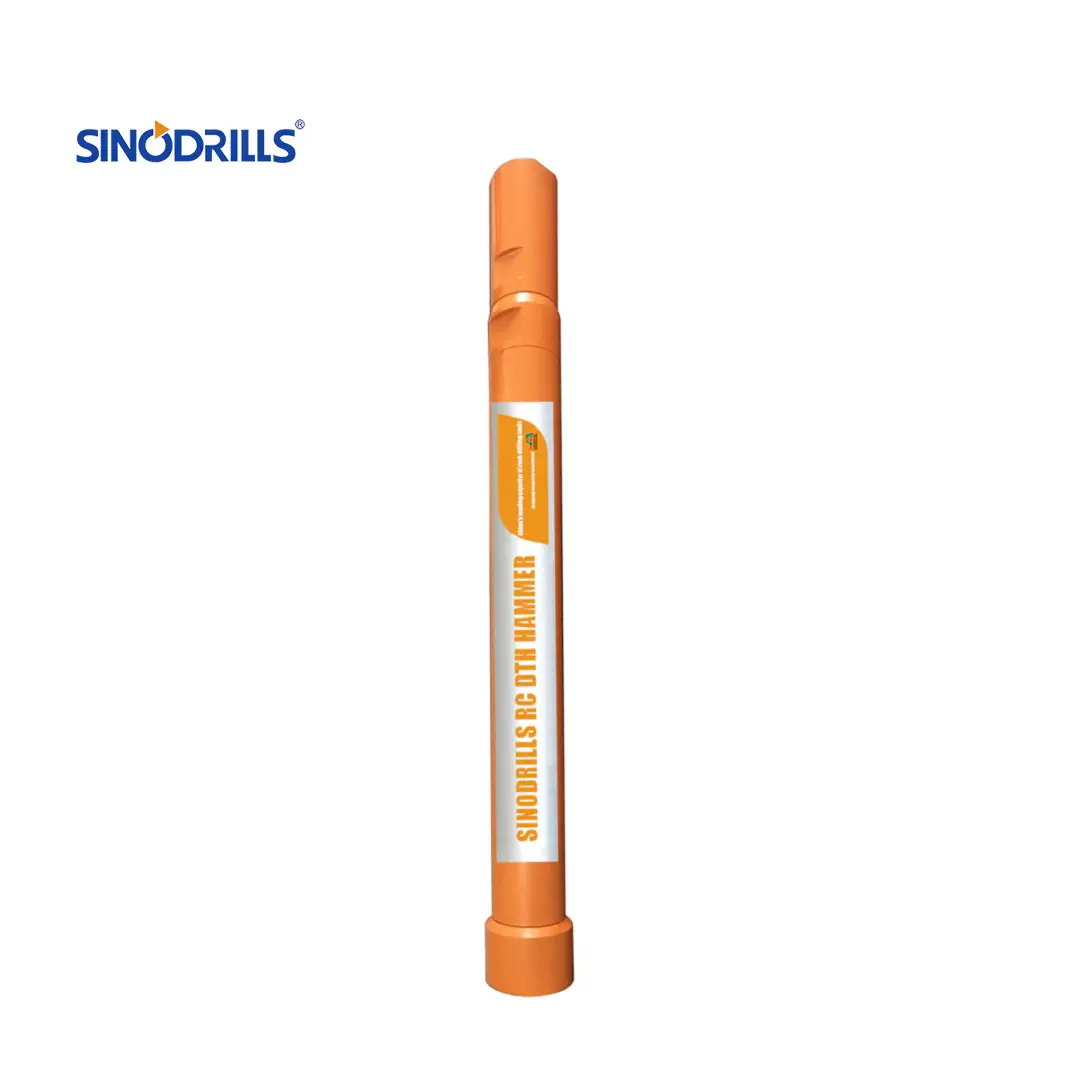
Down-The-Hole (DTH) hammers are a type of percussion drilling tool that provide a powerful, rapid hammering action directly at the bottom of the borehole. Unlike top-hammer systems where the percussive energy is transmitted through long drill rods, DTH hammers are located immediately behind the drill bit, ensuring minimal energy loss and maximum impact efficiency.
Powered by compressed air (or sometimes water or drilling mud), a piston inside the hammer repeatedly strikes the back of the drill bit, breaking the rock into small cuttings which are then flushed to the surface by the exhaust air/fluid. This direct energy transfer makes DTH hammers exceptionally effective for drilling straight, large-diameter holes in hard rock formations.
How to Choose Correct DTH Hammers?
Choosing the correct Down-The-Hole (DTH) hammer is paramount for achieving efficient, cost-effective, and safe drilling operations. With a wide array of options available in the market, making an informed decision can be complex. This guide will walk you through the essential factors to consider, ensuring you select the ideal DTH hammer for your specific project needs.
A well-matched DTH hammer optimizes performance, minimizes wear on equipment, and ultimately reduces operational costs per meter drilled. Understanding the interplay between hammer design, rock conditions, and drill rig capabilities is crucial for maximizing productivity and achieving superior drilling results in various applications, from mining to water well drilling.
Understanding the different types of DTH hammers and their respective operating parameters is fundamental. Factors such as air pressure requirements, bit shank compatibility, and overall hammer design must align with your project’s demands. We always advise a careful evaluation to ensure you select a hammer that can deliver the necessary power and durability for your drilling environment.
Here’s how to choose the correct DTH hammers:
- Assess Rock Formation and Hardness: Different rock types and their hardness levels demand specific hammer characteristics. For instance, hard, abrasive rocks require hammers designed for high impact energy and bits with robust carbide buttons. Softer, less abrasive formations might benefit from hammers optimized for higher frequency and different bit face designs to enhance penetration.
- Consider Required Hole Diameter and Depth: The desired borehole diameter dictates the size of the DTH hammer and bit you should choose. Larger diameter holes generally require larger hammers. Similarly, the drilling depth influences the choice, as deeper holes may necessitate hammers designed for higher air pressure and enhanced durability to maintain consistent performance.
- Match Air Pressure and Flow Rate of Compressor: DTH hammers are powered by compressed air, so the capacity of your air compressor is a critical factor. Low-pressure, medium-pressure, and high-pressure hammers exist, each with specific air consumption requirements. Ensure your compressor can provide the optimal air pressure and sufficient airflow (CFM) for the chosen hammer to operate at its peak efficiency.
- Evaluate Hammer Shank Type and Bit Compatibility: DTH hammers are designed to work with specific bit shank types (e.g., DHD, QL, SD, Mission, COP). It’s crucial that the hammer you select is compatible with the drill bits you plan to use, as an incompatible shank will prevent proper coupling and efficient energy transfer. Always verify compatibility before purchasing.
- Consider Hammer Design (Valved vs. Valveless, etc.): DTH hammers come with various internal designs, such as valved or valveless air distribution systems. Valveless hammers often offer simpler construction, potentially lower maintenance, and higher impact frequency. Your drilling application and desired performance characteristics will guide this choice.
Low Pressure, Medium Pressure or High Pressure Dth Hammers
Air pressure is the power source for DTH hammers during operation, directly determining their efficiency and drilling speed. Based on the working air pressure, DTH hammers can be categorized into low pressure, medium pressure, and high pressure types. This classification is primarily based on the air pressure level used by DTH hammers, with different pressure levels suited for various working environments and drilling needs.
1. Low Pressure DTH Hammers
The working air pressure range for low pressure DTH hammers is usually below 7 Bar. Common model is CIR series, including CIR 65, CIR 70, CIR 80, CIR 110, CIR 150, and CIR 170.
Low pressure DTH hammers use compressed air as their power source, utilizing the impact force of the air to break underground rocks. These hammers have lower requirements for air compressors, and contain fewer internal components. Due to their lower working pressure, the impact force produced is also lower, which results in slower drilling speeds, thus allowing for more precise drilling.
The energy consumption of low pressure DTH hammers is relatively low, in situations where drilling speed is not highly demanding or where the rock formations are softer, low pressure DTH hammers are often competent and offer better cost-effectiveness.
Low-pressure DTH hammers are widely used in soil exploration, water well drilling, and small-scale construction projects.
2. Medium Pressure DTH Hammers
The working air pressure range for medium pressure DTH hammers is approximately 7 bar to 14 bar. Common models are BR2 and BR3. Compared to low-pressure DTH hammers, medium pressure hammers offer better drilling efficiency and speed, allowing for deep hole drilling generally used in larger-scale construction projects.
3. High Pressure DTH Hammers
The working air pressure range for high-pressure DTH hammers is approximately above 14 bar, with the maximum pressure reaching around 35 bar.
With advancements in air compressor technology, the working air pressures of high pressure DTH hammers have been increasing, and even some small-diameter DTH hammers can be used as high pressure hammers now.
Common high pressure DTH hammer models include:
DHD series: DHD3.5, DHD340, DHD350, DHD360, DHD380;
QL series: QL40, QL50, QL60, QL80; SD series: SD4, SD5, SD6, SD8; Mission series: Mission 30, Mission 40, Mission 50, Mission 60, Mission 80;
COP series: COP32, COP34, COP42, COP44, COP64, COP84.
High-pressure DTH hammers utilize high-pressure gases as a power source, with the gas explosion reaction generating high-speed impact forces to break rocks. These hammers generally require larger air compressors to provide sufficient working pressure, and their design also emphasizes impact force and wear resistance.
Due to their high working pressure, they can generate a greater impact force, effectively breaking hard rocks, which enhances drilling efficiency in tough rock conditions.
High-pressure DTH hammers are widely used in mining, hydraulic engineering, road construction, and geological exploration.
In practical DTH drilling applications, it is essential to consider various factors, including specific project requirements, rock characteristics, environmental conditions, and budget constraints, in a comprehensive manner.
Conclusion
Selecting the right DTH hammer is a critical decision that profoundly impacts drilling efficiency and project profitability. By carefully evaluating rock conditions, hole requirements, compressor capabilities, and hammer-bit compatibility, you can ensure optimal performance and extend equipment life.
A well-chosen DTH hammer minimizes operational costs and maximizes productivity, transforming challenging drilling tasks into streamlined processes. This informed approach guarantees that your investment yields the best possible results, regardless of the application.
For reliable, high-performance DTH hammers, choose Sinodrills. We offer a wide selection of wholesale DTH hammers designed for various applications, ensuring you get the perfect match for your drilling needs.